 OpenDissect
A port for treatment through the veins (port-a-cath)
Implanted venous port · small operation
The same explanation in 3D, step by step: what is broken or ill, how the operation is done, with the X-ray and a QR code to take home. Free.
See it in 3D →What is the problem
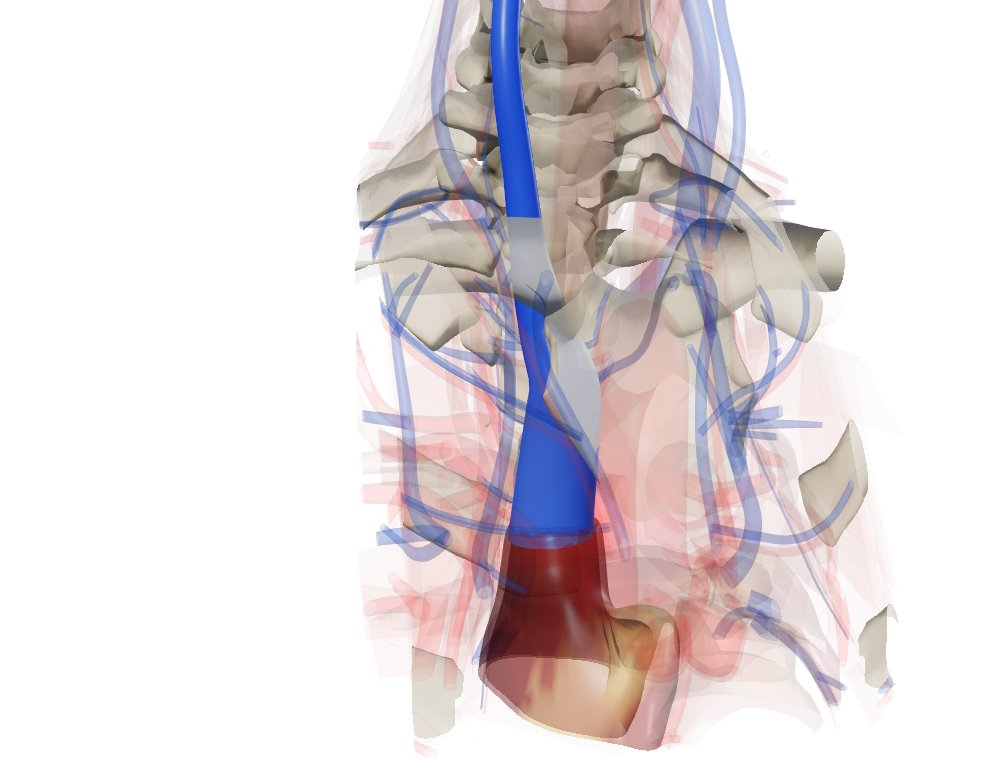
Some treatments, such as chemotherapy, nutrition or long courses of antibiotics, are given into a vein many times over months. The small veins of the arm become sore and hard to find, and some medicines irritate them.
Why an operation
A port is a small chamber placed under the skin of the chest, joined to a thin tube that ends in a large vein just above the heart. Each treatment is given with a fine needle through the skin into the port: no more searching for veins, and the medicine is diluted quickly in a large blood flow. It can stay for months or years.
How the operation is done
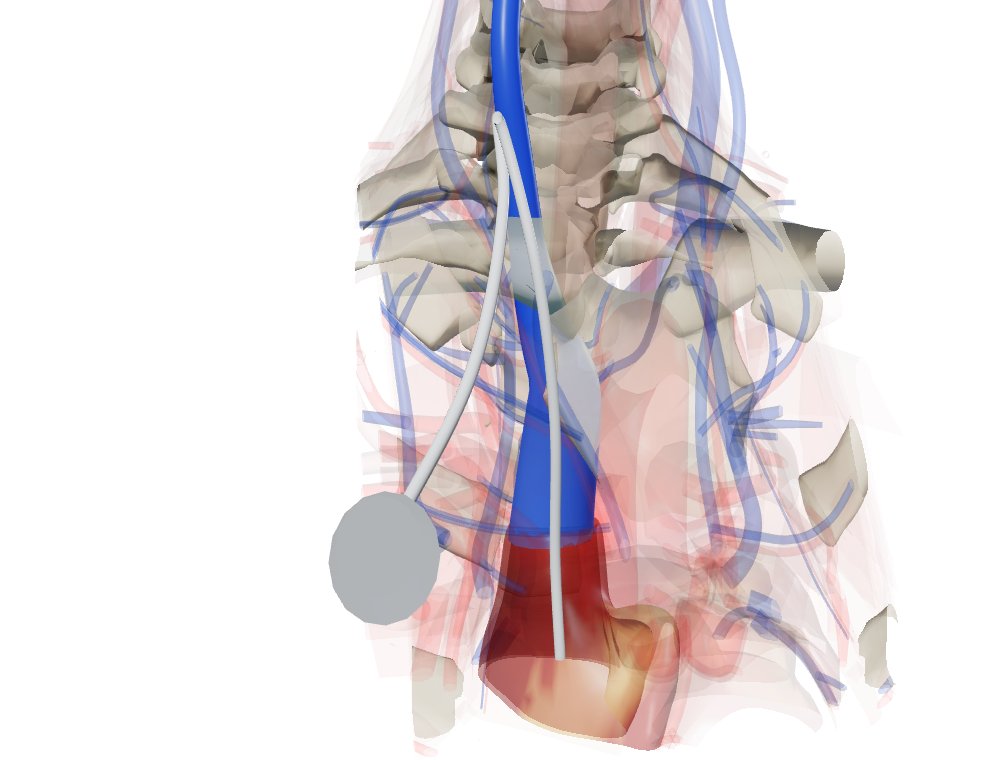
Through a small cut below the collarbone, or with ultrasound through a vein in the neck, the thin tube is placed into a large vein, and its tip is guided to just above the heart with X-ray or ultrasound. The chamber sits in a small pocket under the skin of the chest, and the wound is closed with dissolving stitches. It usually takes 30 to 60 minutes.
Anaesthesia and the hospital stay
It is usually done with local anaesthesia, sometimes with a calming medicine or asleep. Most people go home the same day.
Possible risks
- Air between the lung and the chest wall (collapsed lung), sometimes needing a drain — about 1 in 100; rarer with ultrasound
- Infection of the port, which may need its removal — about 2 to 5 in 100 over its lifetime
- Blood clot around the tube in the vein (arm or neck swelling) — about 1 to 3 in 100
- The port blocks and needs flushing or replacement — about 2 to 5 in 100
- Bruising or bleeding at the wound — about 1 to 3 in 100
These figures are approximate. Your surgeon will tell you what applies to you.
After the operation
The port can usually be used straight away. Keep the dressing dry for a few days. Once healed, you can shower, swim and do sport normally. When no treatment is running, the port is flushed every few weeks. When it is no longer needed, it is removed in a short operation under local anaesthesia.
Questions people often ask
- Will people see it?
- It shows as a small bump under the skin below the collarbone, about the size of a large coin.
- Does the needle hurt?
- Only a short prick; a numbing cream can be used.
- When should I call the hospital?
- If you get a fever or chills (especially during or after treatment through the port), if the skin over it becomes red or painful, or if your arm, neck or face swells.
The same explanation in 3D, step by step: what is broken or ill, how the operation is done, with the X-ray and a QR code to take home. Free.
See it in 3D →